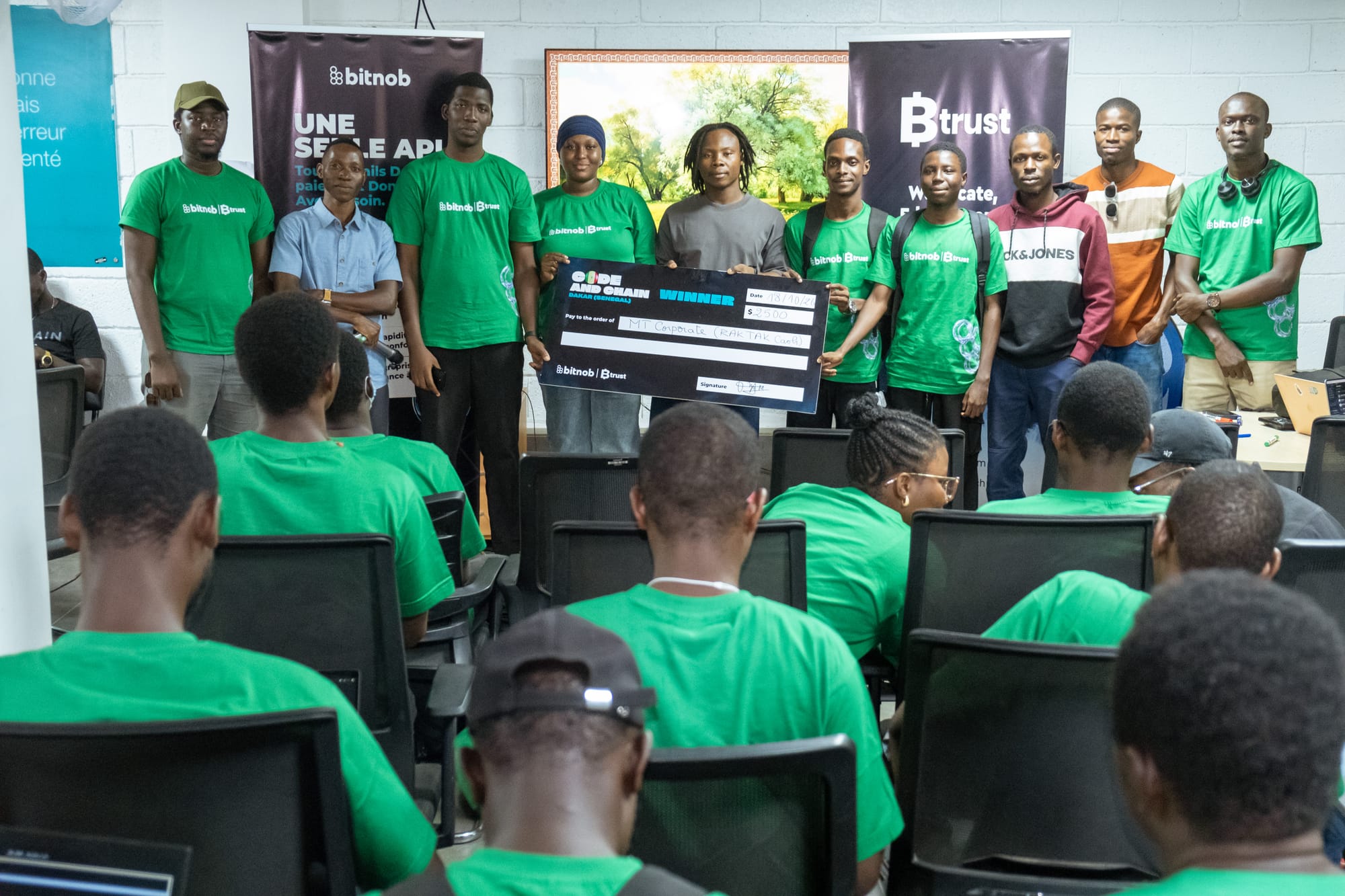
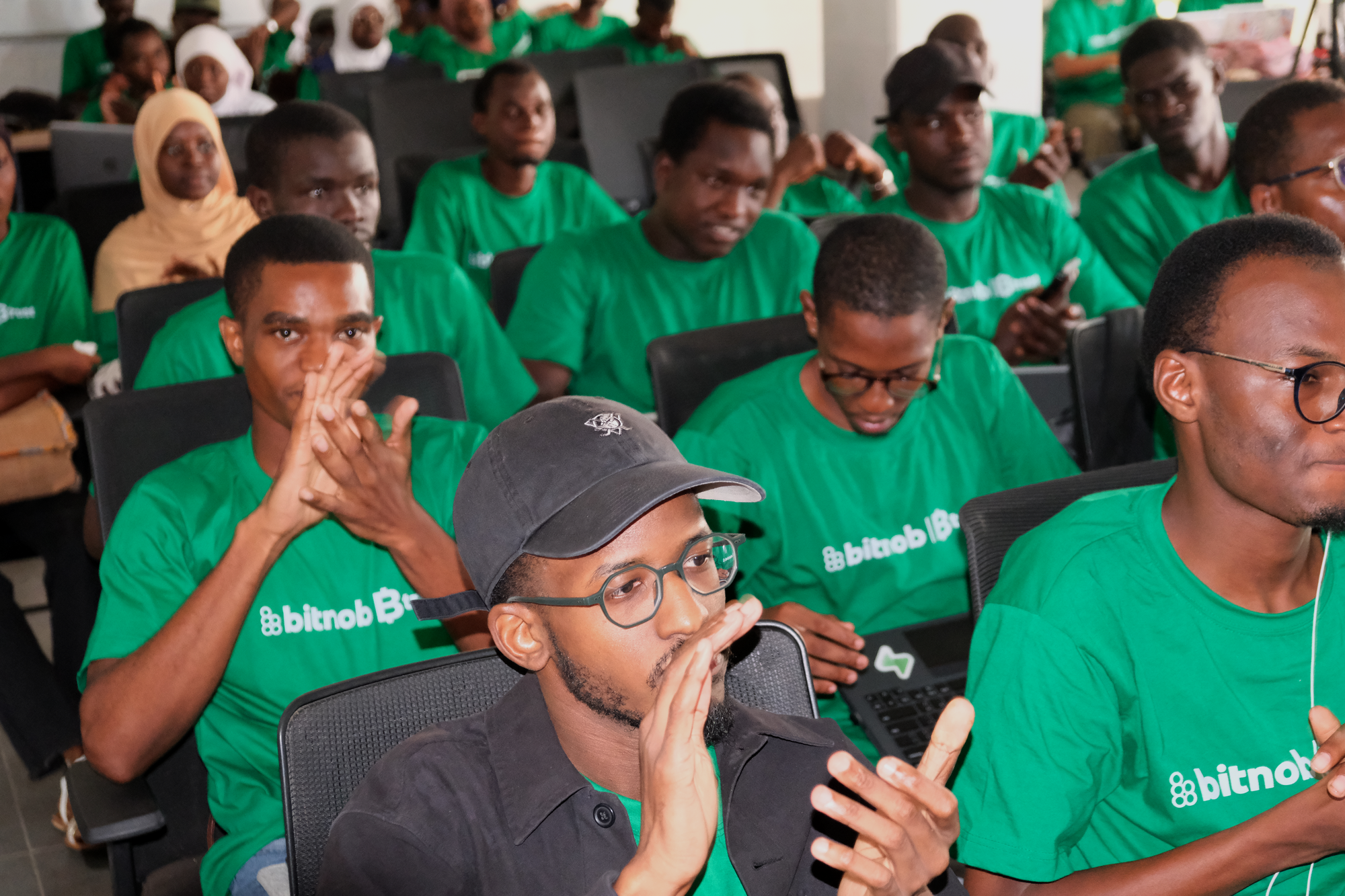
Bitnob has concluded Code & Chain Dakar 2026, a two-day developer event that brought together 98 attendees to explore Bitcoin, blockchain development, and practical applications of payment technology across Africa.
Held on October 17–18, the event combined technical training with a hackathon, challenging participants to build solutions to real-world problems using Bitcoin and the Lightning Network. The hackathon attracted 17 project submissions, with three teams emerging as winners and sharing a total prize pool of $5,000.
Organised by Bitnob with sponsorship from Btrust, Code & Chain Dakar brought developers together to move beyond theoretical discussions about Bitcoin and focus on building products that address challenges in commerce, public services, and the digital economy.
The event also drew on the participation of ecosystem partners, including Women in Blockchain Africa and local developer communities, reinforcing the importance of collaboration in developing Senegal’s growing technology ecosystem.
From learning to building
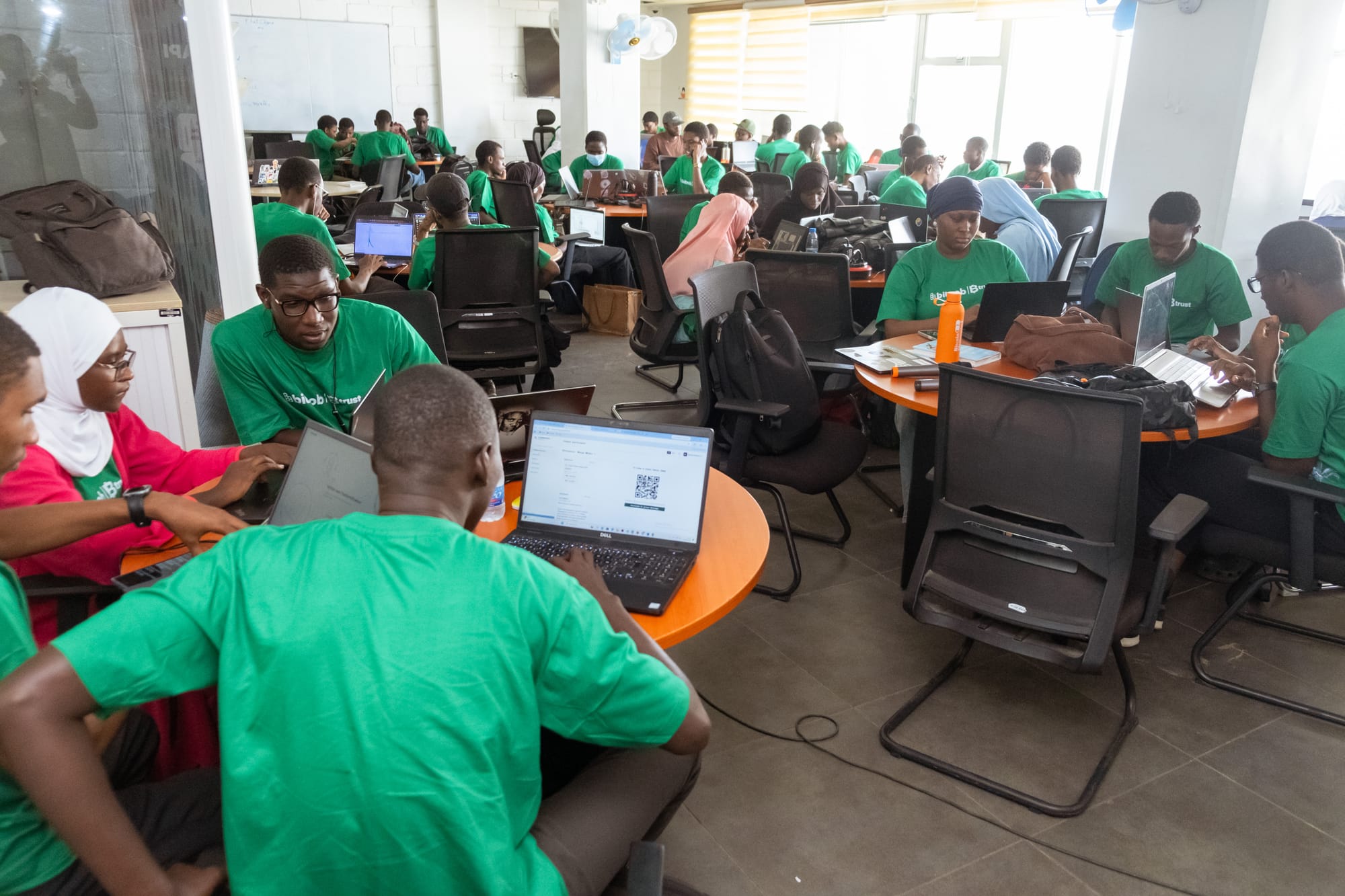
The two-day programme was designed to give participants the opportunity to develop their technical skills and apply what they learned to working products.
The first day focused on technical training, introducing participants to the tools and concepts needed to build with Bitcoin and Lightning. On the second day, participants presented their projects to judges, demonstrating how their solutions could address specific challenges and create value for users.
The projects reflected a range of potential applications for Bitcoin payment technology, from helping small businesses receive payments securely to making administrative documents easier to obtain and creating new ways for open-source developers to earn money.
For Bitnob, the event formed part of a broader effort to support developers building practical applications on Bitcoin and make payment infrastructure more accessible to African innovators.
“Code & Chain is about moving beyond conversations about what Bitcoin can do and giving developers the skills, tools and opportunities to actually build with it. We wanted participants in Dakar to leave with more than technical knowledge. We wanted them to leave with projects that could solve real problems in their communities and the confidence to keep building,” said Damilola Robert, Head of Growth & Marketing at Bitnob, who led the initiative for the company.
Three projects stand out at the hackathon
Of the 17 projects presented, three were recognised for their approaches to applying Bitcoin and Lightning technology to everyday challenges.
RAK TAK CASH: Making payments easier for Senegalese businesses
Taking first place, RAK TAK CASH is a wallet and Lightning payment terminal designed for Senegal, enabling merchants to collect payments in CFA francs through Bitcoin Lightning.
The team identified a challenge facing small businesses, particularly those selling products through WhatsApp and other social channels: customers may hesitate to pay in advance because they fear losing their money, while merchants are reluctant to deliver goods without receiving payment.
Traditional payment methods can also introduce fees and friction for businesses that need a straightforward way to accept payments in person or remotely.
RAK TAK CASH addresses these problems through three core functions.
First, merchants can accept in-store payments using Lightning QR codes generated through the Bitnob API. For remote transactions and deliveries, merchants can share a payment link with an escrow-style process that holds funds until the customer confirms receipt of the goods using a delivery code.
Second, users can send and receive money between wallets through QR codes, supporting transfers between friends and family. Third, the platform provides transaction histories, balances displayed in CFA francs and satoshis, and an administrative interface for account management.
By combining digital payments with a delivery confirmation mechanism, the team aims to improve trust between buyers and sellers while giving merchants a more convenient way to receive payments.
DioteKo: Bringing digital verification to administrative documents
DioteKo, the first runner-up, tackles the challenges citizens face when requesting and verifying administrative documents such as birth certificates and residence certificates.
Obtaining these documents can involve physical visits to government offices, long queues and cash payments. For Senegalese citizens living abroad, the process can be even more difficult, often requiring them to depend on family members at home and wait for documents to be delivered.
Verifying whether a document is genuine presents another challenge.
DioteKo proposes a mobile application through which users can authenticate, request official documents and pay using Bitcoin Lightning through the Bitnob API. The platform then delivers certificates as digitally signed verifiable credentials and QR-enabled PDF documents, allowing recipients and organisations to check their authenticity.
A web-based portal enables organisations to manage document requests, while Bitnob supports local currency settlement and payouts.
The project demonstrates how Bitcoin payment technology can be incorporated into broader digital services, including systems designed to reduce administrative friction and improve the verification of official records.
BitBounty: Connecting African developers to global opportunities
BitBounty, the second runner-up, focuses on a challenge facing developers across Africa: accessing international payment options that allow them to earn from their technical skills.
Although Africa has a growing pool of software developers, opportunities to contribute to international open-source projects do not always translate into accessible earning opportunities. Payment limitations can make it difficult for developers to participate in global work and receive compensation.
BitBounty proposes a platform where open-source project maintainers can create bounties for tasks such as fixing bugs, implementing features and improving GitHub repositories.
Developers can discover available tasks, submit their solutions and receive payments through Bitnob once their contributions are accepted.
The model creates a potential connection between open-source communities looking for technical contributions and developers seeking opportunities to earn from their work, while using Bitcoin-based payment rails to facilitate payouts.
Supporting Africa’s next generation of builders
The three winning projects highlight the breadth of applications developers can explore with Bitcoin and Lightning, extending beyond payments into commerce, public services and the global digital workforce.
Their ideas also demonstrate how developer education and access to practical tools can help turn technical knowledge into products designed around local needs.
For Bitnob, Code & Chain Dakar is part of its commitment to supporting developer communities across Africa. By providing technical training, access to development tools and opportunities to build and showcase projects, the initiative aims to help more developers participate in the Bitcoin ecosystem.
“Some of the most interesting innovations will come from developers who understand the problems in their own markets and have the tools to build solutions around them. Our role is to help close the gap between that local knowledge and the technology available to bring those ideas to life,” Robert said.
With 98 attendees, 17 hackathon projects and three winning teams, the Dakar edition provided a platform for developers to experiment, collaborate and demonstrate practical applications of Bitcoin technology.
As Africa’s developer communities continue to grow, initiatives such as Code & Chain offer a way to connect technical education with product development, helping more builders explore how open financial networks can support businesses, public services and digital work across the continent.