Imagine a delivery truck carrying $50,000 worth of goods. The truck is packed. The address is correct. The driver is ready. But the truck has no fuel. The goods are not the problem. The truck simply cannot move them. This is what happens when a wallet contains stablecoins but does not have enough gas.
What is gas?
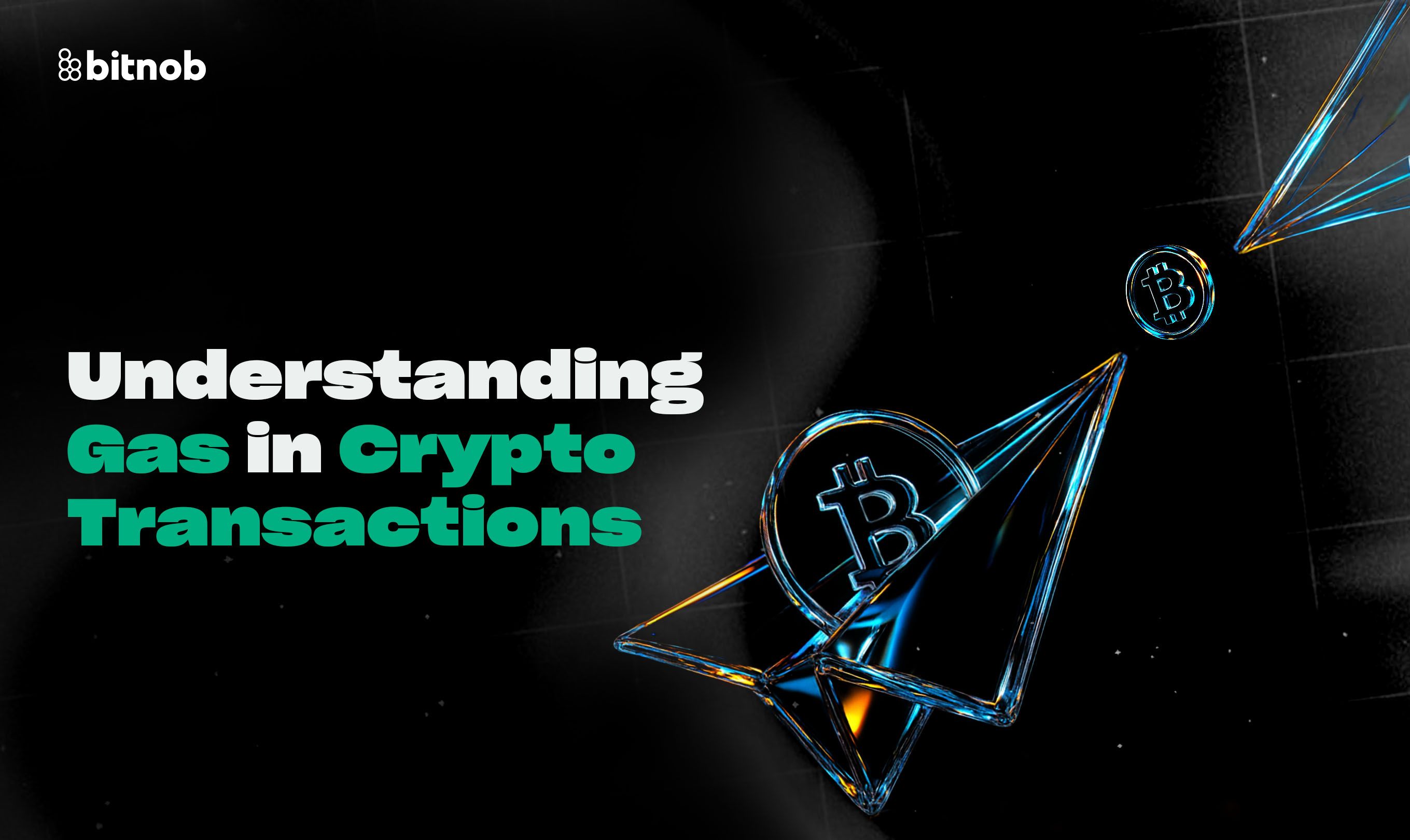
Gas is the cost of asking a blockchain network to perform an action. That action could be native asset transfer, sending stablecoins, approving a smart contract, moving assets across a bridge, address activation, etc,.
Computers across the blockchain network must check and process these instructions. Gas pays for the network resources involved and helps prevent people from overwhelming the network with unlimited or spam transactions.
The simplest explanation is:
Your stablecoin is the cargo. Gas is the fuel that moves it.
The gas is usually paid in another currency
Suppose your wallet contains 50,000 USDT on Ethereum, and you want to send 1,000 USDT to a supplier. The network fee is not normally deducted from your USDT balance. It must be paid in ETH; the native asset of the Ethereum network.
So your wallet could have 50,000 USDT and 0 ETH, and still be unable to send the USDT. The money is there. The fuel is not.
Ethereum’s official documentation explains that gas measures the computational work required for an operation and that its fees are paid in ETH.
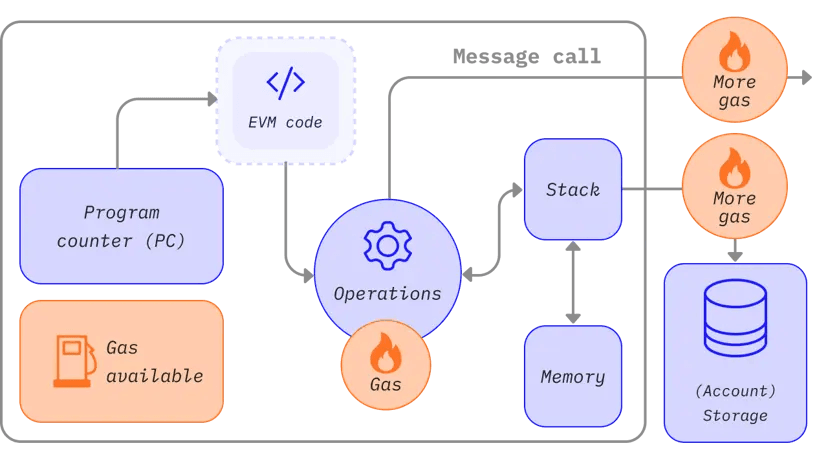
The same idea applies across other networks. Solana requires transaction fees to be paid in SOL and Tron uses resources called Bandwidth and Energy. If an account does not have enough of the required resources, TRX may be consumed.
The Bitcoin transaction fee plays a role similar to gas on other blockchains, but Bitcoin does not call it gas. It is a fee paid in sats, usually priced in sat/vB.
Different networks use different systems, but the operational lesson is the same: A wallet needs the correct fee resource for the network it is using.
Why does the cost of gas change?
Gas is not always a fixed price.
The fee can depend on how busy the network is, how complicated the requested action is, how quickly the sender wants it processed, the network’s fee rules and the amount of computational work required.
Think of it like booking a ride. A short journey during a quiet period may cost less. The same journey during heavy demand may cost more.
On Ethereum and Solana, the total fee includes a network-determined base fee and may include a priority fee to encourage faster inclusion.
Wallet software usually estimates the required amount before the user confirms the transaction but the estimate can change as network conditions change.
What happens if you do not provide enough?
Several things can happen. The transaction may fail to leave the wallet, remain pending, be processed later than expected, run out of gas during execution or need to be replaced or resubmitted. On some networks, a transaction that reaches execution can still consume a fee even if the intended action fails.
The network performed work while checking and attempting the instruction, so that work may still be charged. It is like paying a delivery driver who made the trip but could not complete the delivery.
“Gasless” does not mean free
Some applications allow users to send stablecoins without holding the network’s native asset. This is often described as a gasless transaction.
But the blockchain has not stopped charging a fee. Someone else is paying it. The application, wallet provider or business may sponsor the fee on the user’s behalf.
For the customer, the experience feels gasless. For the business, gas has become an operating expense.
This can create a much better user experience. A customer receiving USDT should not necessarily need to understand why they must first buy a small amount of ETH before they can send it.
But the company sponsoring those transactions must monitor and control the cost.
Why gas becomes difficult at scale
Funding gas for one wallet is easy. Funding it across 10,000 customer wallets is an operational problem.
A business may need to answer:
- How much gas should each wallet hold?
- Who tops up wallets when their balances run low?
- How quickly are low balances detected?
- What happens when network fees suddenly increase?
- How are gas expenses recorded and reconciled?
- How much native currency sits unused across thousands of wallets?
Manually sending tiny amounts of ETH, SOL or TRX to individual wallets does not scale well. The company needs a system.
What is a gas station?
A gas station is a dedicated wallet or service used to pay network fees for other wallets. Instead of requiring every customer wallet to maintain its own native-token balance, the business funds a central gas system. When an eligible transaction needs to be processed, the gas station covers the fee.
A good gas-management system can include low-balance alerts. automatic top-ups, spending limits, separate balances for each network, records of gas used per transaction and controls over which wallets receive sponsorship.
A simple gas checklist for businesses
Before launching wallet operations, answer these questions:
- Which blockchain networks do we support?
- Which native asset or resource powers each network?
- Which party pays the transaction fee?
- How will low gas balances be detected?
- Will fees be funded manually or automatically?
- How will gas spending be reconciled?
- What happens when fees rise unexpectedly?
- Can the operation switch networks if one becomes too expensive?
- Who receives an alert when transactions begin to fail?
Gas should be managed like any other operational resource. Someone should own it. There should be a budget, a monitoring process and an escalation plan.
The one thing to remember
A stablecoin balance tells you what a wallet owns. It does not tell you whether the wallet can move it. To move the stablecoin, the blockchain needs fuel. That fuel is gas.
And when your business operates hundreds or thousands of wallets, keeping the tank full is no longer a small technical detail. It is part of running the payment operation.
This is a simplified educational explanation. Fee systems and requirements differ across blockchain networks, assets and wallet architectures.